
Managing Toddler Tantrums and Team Tensions in the Same Hour
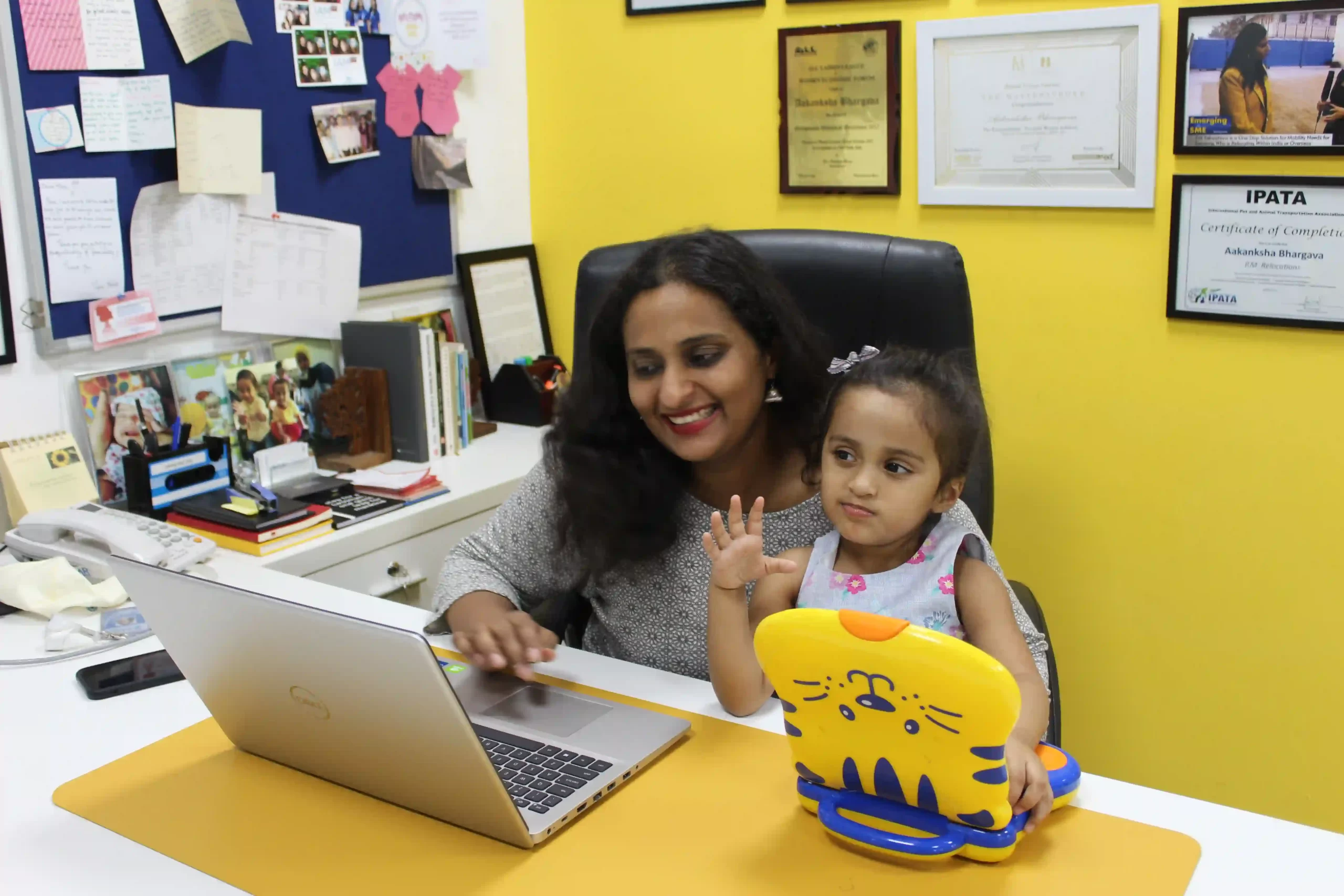
Some mornings, it feels like I’ve already lived an entire day before even logging into work. My toddler is in the middle of a meltdown over which socks to wear, and just as I settle her, my calendar reminds me of a client call in five minutes. I shift gears, step into work mode, and immediately step into a conversation where the energy is just as intense—except this time, it’s about missed timelines and project misalignment.
It’s in these moments I realize that toddler tantrum management and navigating team tensions often require the same skills: calmness, empathy, clarity, and patience.
When Emotions Run High – At Home and at Work
I remember a day when my daughter burst into tears because her cereal was in the wrong bowl. There was no convincing her otherwise. She was loud, stubborn, and visibly frustrated. I sat beside her, took a breath, and just let her express herself.
Later that morning, I entered a video call where team members were visibly agitated over miscommunication. While the context was different, the emotions weren’t. That experience made me reflect deeply on how similar the emotional waves are—whether it’s a toddler trying to be heard or a team feeling misunderstood.
That’s when I began working more intentionally on handling toddler meltdowns, not just by managing her—but by first managing myself.
Emotional Awareness is a Superpower
In both parenting and leadership, emotional awareness is key. I started reading more about emotional intelligence in parenting, and one simple shift made a big difference: naming the emotion. When my daughter was upset, instead of correcting her, I’d say, “You’re angry right now, and that’s okay.” It defused her faster than any distraction technique.
Similarly, in team meetings, I began to acknowledge the emotional energy in the room before diving into action points. Just saying, “I know this is frustrating, and we’re here to figure it out together,” built immediate trust.
Structure Creates Space for Peace
I’ve learned that toddlers and teams alike thrive on clear expectations. With my daughter, I created a visual daily routine chart. It helped set the tone for mornings, bedtime, and transitions. This was my way of integrating home routines for toddlers into our lives—simple, visual cues that reduced daily chaos.
At work, we implemented regular check-ins, weekly huddles, and transparent timelines. These structures weren’t about micromanaging; they were about creating rhythm. Over time, they helped foster stronger team collaboration techniques, where everyone had clarity on their role and the larger picture.
Self-Care is Not a Luxury—It’s a Strategy
There was a time I felt like I was constantly juggling—and dropping—both balls. The guilt was heavy. But I slowly understood that showing up well for my child and my team required showing up for myself first.
So I began practicing self-regulation strategies: a 10-minute walk after a meltdown, a cup of tea before starting my workday, breathing deeply before answering an email written in frustration. These micro-moments of pause brought more presence into everything I did.
And on tough days, I leaned into stress management for parents—a reminder that rest is part of the work.
Leading with Empathy—Everywhere
One evening, after my daughter had calmed down from a major tantrum, I wrapped her in a hug and said, “You did a great job calming down.” She looked at me, teary-eyed, and said, “You helped me.” That moment stayed with me. It reminded me of how empathy in parenting doesn’t always mean fixing—it means standing beside someone in their struggle.
I carried this into my leadership style. When a team member seemed off-track, I didn’t jump to conclusions. I asked, “What’s going on behind the scenes?” That shift changed the way people showed up. With empathy, we moved from correction to connection.
One Life, Multiple Roles
Being a mother and an entrepreneur isn’t about switching between two roles—it’s about blending them with intention. Some days I’m on back-to-back calls while trying to build a LEGO house. Other days, I’m putting my daughter to sleep while replying to a quick email.
There’s no manual for balancing parenting and work, but I’ve learned that presence matters more than perfection. It’s okay if I don’t have it all figured out. What matters is that I keep showing up—with love, clarity, and grace.
Final Thoughts: The Power of Presence
At the end of the day, whether it’s a toddler on the floor or a team member feeling unheard, the need is the same: to feel safe, seen, and supported. Mastering toddler tantrum management has made me a more patient leader. And navigating workplace stress has made me a more mindful mother.
There will always be loud mornings and tense meetings. But in learning to breathe through both, I’ve found that the chaos can be softened—with intention, with empathy, and with presence.