
When I Dance, I Disappear — And That’s Where I Find Myself: Exploring Dance as Therapy
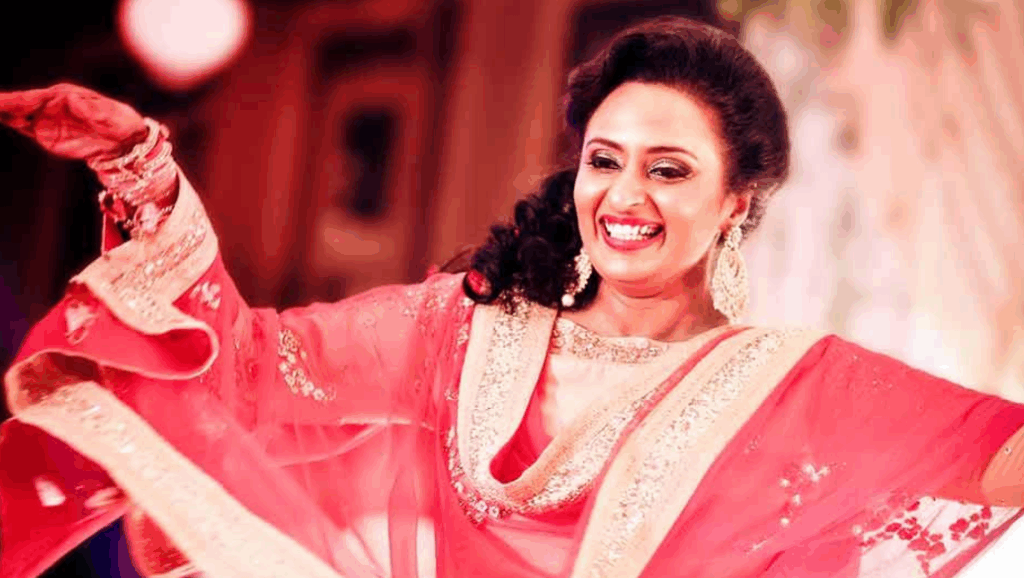
There are moments in life when words feel too heavy, too limiting to express what we truly carry inside. For me, movement has always been that language beyond language. And it is here, in the rhythm and flow of motion, that I have discovered the power of dance as therapy. Dance does not demand perfection; it invites presence. It does not require an audience; it only requires honesty with oneself. Each step, each turn, becomes a silent dialogue between body and soul, a pathway to self-healing and clarity.
The First Step Toward Self-Discovery
When I first began to dance without the burden of performance or perfection, I realized it was opening doors I never knew existed. I wasn’t dancing for others; I was dancing for myself. Slowly, I understood that this was a journey of dance and self-discovery. Movements I didn’t plan came alive, carrying memories, emotions, and truths I hadn’t acknowledged. It was as if the dance revealed corners of my identity that had been hidden behind everyday roles and responsibilities.
Over time, dancing became more than just an expression—it became a practice of mindful dancing. Unlike meditation where stillness is central, dance offered me mindfulness in motion. Every beat grounded me; every gesture pulled me back into the present moment. As I allowed my body to flow, I realized I was practicing awareness not only of my thoughts but also of my body’s rhythms, its breath, its tension, and its release.
Healing Through Movement
There were days when I entered the studio carrying a heart full of unspoken emotions. On those days, I discovered the transformative impact of dance for mental health. Where words stumbled, movement stepped in. My body became my therapist, helping me process what my mind could not articulate. Each spin released frustration, each sway lightened my worries, and each pause gave me space to breathe.
It was through this process that I understood the connection between dance and identity. In everyday life, I wore many labels—daughter, friend, professional—but when I danced, those identities dissolved. I was no longer performing roles; I was simply myself, raw and unfiltered. That realization was freeing, as if the music stripped me of expectations and gave me permission to just be.
With time, I began noticing how dance merged with dance and mindfulness. Awareness of the present moment became second nature. The way my shoulders carried stress, the way my breath deepened with rhythm, even the way my spine curved—all of it spoke to me. Dance turned my body into a messenger, and mindfulness taught me to listen.
Letting Go and Finding Flow
Perhaps the most profound gift of dance was discovering how it created space for dance for emotional release. Anger that once weighed me down, sadness that lingered in silence, and joy that words couldn’t hold—all of it found expression in my movement. My body became my voice, and in that silent release, I felt lighter, freer, more at peace.
This was also where I experienced the magic of expressive movement. Without choreography or rules, my gestures told stories that words could never hold. Sometimes I improvised, exploring the beauty of uncertainty through improvisational dance, and sometimes I surrendered completely to authentic movement, closing my eyes and letting my body decide what it needed. These moments reminded me that dance was not about performance but about honesty.
Through this practice, I grew more aware of my physical self. Body awareness became a daily gift—I noticed the grounding of my feet, the expansion of my breath, the tension I carried without realizing it. Dance had sharpened my senses, teaching me to live with presence and compassion toward myself.
And then there were times when movement took me to a place beyond awareness—a flow state where time disappeared, and I felt as though something greater was moving through me. In that space, dance became spiritual. It wasn’t just about rhythm or steps anymore; it was about dance and spirituality, about connection with something larger than myself.
Finding Myself Through Dance
As I look back, I realize that each time I allowed myself to move, I was able to find yourself through dance in new ways. Some days it revealed resilience, other days vulnerability, and sometimes, it showed me unhealed emotions I needed to face. It became a mirror, reflecting back the truest version of who I am.
And so, when I say “When I dance, I disappear—and that’s where I find myself,” I mean that the act of dancing dissolves illusions, roles, and limitations. It strips me down to my most authentic core, allowing me to meet myself with honesty and grace.
In the end, what I know for sure is that dance as therapy is not about dancing perfectly—it is about dancing truthfully. It is about giving your body permission to speak when words fall short, about creating space for release, and about embracing yourself fully. If you’re seeking clarity, healing, or self-expression, let movement guide you. Somewhere between the beats and the silences, you just might find yourself too.